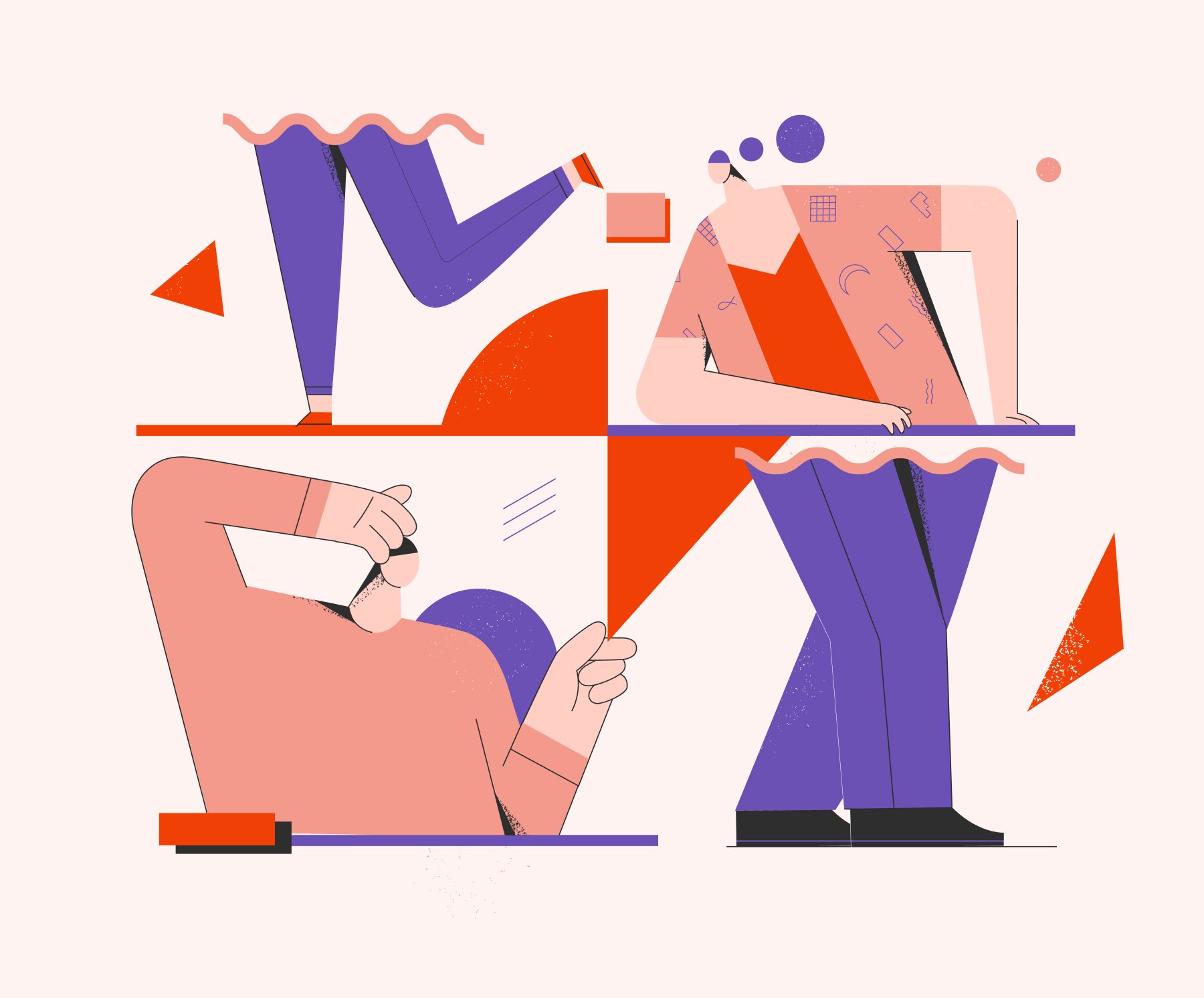


The Creative Clash
Ever since I arrived in Germany, my design perspective has been in a constant—and exciting—cultural clash. I am Loidin Nazareno, an Ecuadorian designer, and I’ve moved from an environment where design is passion and color, to one where it is precision and function.
The debate is an old one: Is emotional design, rich in texture and color, better, or is functional design, clean and grid-driven, superior? The truth is, I’ve learned it’s not a battle, but a matter of strategy and market. Both styles are brilliant and successful, but they are based on opposing philosophies that reflect their cultures of origin.
As a professional navigating these two worlds, I want to break down the clearest differences between the style we’ll call “Latin” (understood as the generally vibrant trend of the region) and the “German” style (rooted in the functional minimalism of movements like the Bauhaus).
The Axis of Color: Emotion vs. Strategy
This is where the difference is most obvious, just as we saw with the sunsets and the turquoise from Ecuador.
Latin Design: Saturation and Emotion
In Latin America, design often seeks to seduce and connect emotionally right away. Color is used fearlessly, with more complex and saturated palettes, reflecting the cultural diversity, celebrations, and rich nature.
- Key Principle: Color must tell a story and evoke a feeling of closeness, warmth, and joy.
- In Practice: Latin brands (especially in advertising or branding) are comfortable using color as the protagonist, sometimes prioritizing visual impact over restraint.
German Design: Restraint and Functionality
Modern German design, influenced by the Bauhaus and the Ulm School, is the antithesis. Color is a tool, not an end.
- Key Principle: Color must serve a function. Neutral, white, and gray palettes are used, and bright color (red, blue, yellow) is reserved for signaling hierarchy, calls to action (CTAs), or critical information.
In Practice: It prioritizes legibility and clarity over decoration. A “correct” design is one that fulfills its objective with the fewest possible elements.
The Axis of Structure: Flexibility vs. The Rigid Grid
The tools we use to organize content also showcase this cultural contrast.
Latin Design: Organic and Ad Hoc
In Latin design, there is a tendency toward flexibility. Composition can be more ad hoc (created for the moment), more organic, and sometimes even rich in ornaments or details that celebrate local aesthetics (murals, craftsmanship).
- The Approach: Design must be memorable and unique, even if it means deviating from strict grid rules. Personality is sought before geometric perfection.
German Design: The Grid Mandate
Here, the grid is almost a moral principle. German design is governed by precision, symmetry, and repetition to create order and trust.
- The Approach: Structure (the grid) is the invisible hero. It guarantees usability, consistency, and legibility across any format. Minimalism here is not a trend, it’s a functional solution: weniger ist mehr (less is more).
Focus on Typography: Character vs. Scientific Clarity
The choice of typography is, perhaps, the most philosophical point of the debate.
Latin Typography: The Voice with Character
In Latin design, we see a love for fonts that have more character and personality. Elaborate serifs or handwriting that mimics calligraphy are used, seeking for the text to not only be legible but to have its own voice and an artistic connection. Typography is often viewed as an element of art.
German Typography: The Reign of the Sans-Serif
Modern German design privileges scientific legibility. Sans-serif fonts (like Futura or Helvetica—though Swiss, it’s a pillar of the functional European style) are the favorites.
- The Concept: Text is, above all, information. Typography must be invisible, allowing the message to be conveyed effortlessly. Historical movements like the Bauhaus sought universal and clear fonts, free of decoration.
Conclusion
Which style is better? Neither. And that is the key.
German design is unbeatable for industries that demand trust, order, and efficiency (engineering, technology, finance). Latin design is ideal for brands that need warmth, emotional connection, and personality (tourism, food, art, fashion).
My experience living between these two worlds gives me a unique value proposition:
I can apply the structural rigor and precision of the German market to ensure your web design is functional and your branding is consistent, while injecting the warmth and emotion of Latin color to ensure your brand connects humanly with your audience.
If your project needs a design that not only works perfectly but also has a memorable soul, that is the fusion I offer you.
Tell me: In what context do you think Latin design could most benefit a brand in Europe? Or in what case is German structure absolutely indispensable? Let’s start the debate!